

Can You Put a Static Caravan on Private Land in the UK? Rules & Requirements
Introduction
Installing a static caravan on private land can provide a practical solution for additional accommodation, temporary living space, farm use or a personal retreat.
However, before purchasing a caravan, it’s important to understand the rules surrounding its placement and use.
One of the most common questions buyers ask is whether they can put a static caravan on their own land without planning permission.
The answer depends on several factors, including where the land is located, how the caravan will be used and whether it is associated with an existing property.
In this guide, we explain the main considerations involved in placing a static caravan on private land in the UK, including planning permission, site preparation, utility connections and delivery.
If you’re exploring suitable accommodation options, browse our selection of static caravans for sale to compare available sizes and layouts.
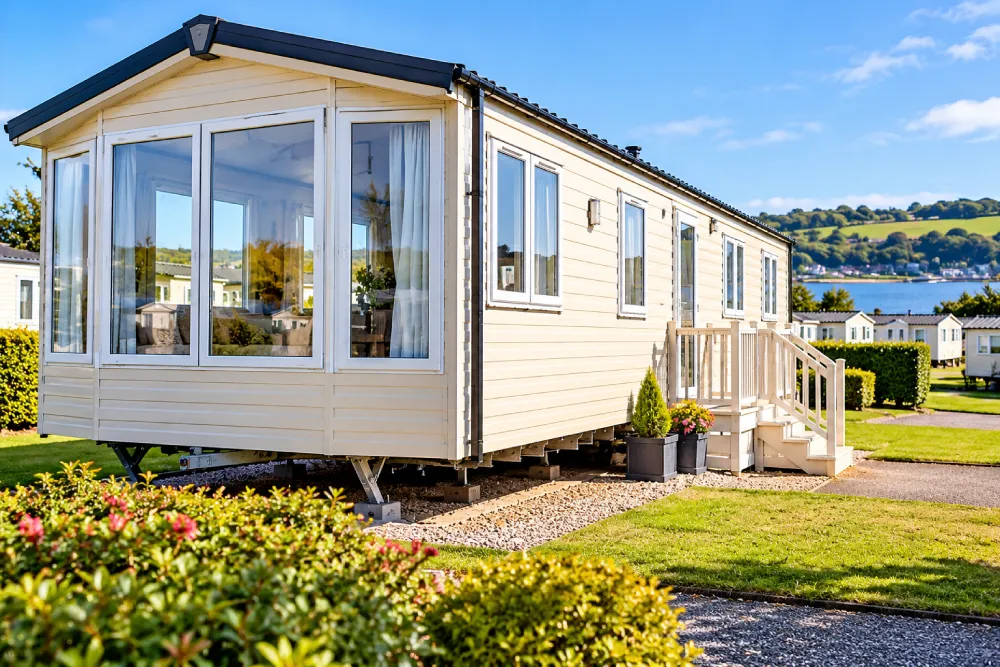
1. Can You Legally Put a Static Caravan on Private Land?
In many circumstances, it is possible to place a static caravan on privately owned land.
However, owning the land does not automatically mean you can install and use a caravan without restrictions.
Planning rules depend on the caravan’s intended purpose, its location and the relationship between the caravan and any existing buildings.
For example, placing a caravan within the garden of an existing home for incidental use may be treated differently from installing one on a separate plot of agricultural land.
Using a caravan as an independent residence can also introduce additional planning considerations.
Because requirements vary across the UK, buyers should contact their local planning authority before making arrangements.
2. Do You Need Planning Permission for a Static Caravan?
Planning permission is one of the most important considerations when placing a static caravan on private land.
Whether permission is required depends on the circumstances.
Static caravans in residential gardens
In some situations, a caravan positioned within the curtilage of an existing residential property may not require separate planning permission if its use remains incidental to the main dwelling.
However, this does not automatically permit independent residential occupation.
For example, using a caravan as a separate home with independent living arrangements may require planning permission.
Static caravans on agricultural land
Placing a caravan on farmland can involve different planning requirements.
Temporary accommodation connected with agricultural operations may be considered under specific planning rules, but permission or other approvals may still be required.
The fact that land is used for farming does not automatically create a right to live in a caravan.
Static caravans on separate plots
If you own an undeveloped plot and want to install a static caravan for residential use, planning permission will generally be an important consideration.
You should confirm the land’s permitted use before buying a caravan.
Planning rules differ between England, Scotland, Wales and Northern Ireland, so obtain guidance relevant to the location.
3. Can You Live Permanently in a Static Caravan on Your Own Land?
Living permanently in a static caravan may be possible where the necessary planning permission and other approvals are in place.
However, there is an important distinction between owning a caravan and having permission to use it as a permanent residence.
A caravan intended for temporary or incidental use may not have the same planning status as a residential dwelling.
You should also consider whether the caravan is suitable for year-round occupation.
Heating, insulation, ventilation, water supply and drainage all affect long-term comfort and practicality.
Before purchasing, confirm that your proposed residential use is permitted and that the caravan meets your accommodation requirements.
4. Preparing Your Land for a Static Caravan
Once you have established that the proposed placement and use are permitted, the next step is preparing the site.
Proper preparation helps ensure the caravan can be delivered, positioned and supported safely.
Choose a suitable location
Select an area with sufficient space for the caravan and any necessary access around it.
Consider nearby trees, buildings, fences, overhead cables and underground services.
Prepare the ground
Static caravans require appropriate support and a stable, suitably prepared base.
The exact requirements depend on the caravan’s size, weight, chassis and the ground conditions.
A qualified installer or relevant specialist should assess the proposed supports and positioning arrangements.
Check drainage
Poor drainage can lead to standing water around the caravan.
This may contribute to damp conditions and make access difficult during wet weather.
Where necessary, consider suitable drainage arrangements as part of the site preparation process.
5. Connecting Electricity, Water and Drainage
Utility connections are another important part of preparing private land for a static caravan.
The required services depend on whether the caravan will be used occasionally or as regular accommodation.
Electricity supply
A safe electrical connection is essential for lighting, appliances, heating and other equipment.
Electrical installation and connection work should be completed by a suitably qualified professional.
Water supply
If the caravan includes a kitchen, bathroom or shower, it will need a suitable water supply.
The installation should provide adequate water pressure and protection against freezing conditions.
Wastewater and drainage
Toilets, sinks and showers require appropriate wastewater disposal arrangements.
Depending on the site, this may involve connecting to an existing drainage system or installing another legally compliant solution.
Always confirm relevant environmental and building requirements before undertaking installation work.
6. Choosing the Right Static Caravan for Private Land
Not every static caravan will suit every property.
Before buying, consider how much space you have available and how you intend to use the caravan.
Size and bedrooms
Two-bedroom caravans can provide practical accommodation for smaller households, while three-bedroom models may suit larger families or staff accommodation.
Heating and insulation
If the caravan will be used during colder months, consider models with double glazing, central heating and suitable insulation.
Internal layout
Think about the amount of living space, kitchen facilities, storage and bathroom accommodation required.
Budget
Used static caravans can provide a cost-effective alternative to purchasing a new model.
However, remember to account for site preparation, utility connections and other necessary work.
Static Caravans For Sale Ltd offers a variety of new and pre-owned models, allowing buyers to compare options based on size, condition and budget.
7. How Is a Static Caravan Delivered to Private Land?
Delivering a static caravan requires careful planning because these units are considerably larger than conventional touring caravans.
Before arranging delivery, suppliers need to understand the access conditions at the destination.
Factors to consider include narrow roads, gates, bends, low bridges, overhead cables and the space available for unloading.
The site should also be prepared before the caravan arrives.
Static Caravans For Sale Ltd offers free delivery across the UK, helping customers arrange transportation for their chosen caravan.
For more information about preparing your property, read our static caravan delivery guide.
8. Common Mistakes to Avoid When Putting a Static Caravan on Land
Several common mistakes can create unnecessary costs or delays.
One of the biggest is purchasing a caravan before checking planning requirements.
Another is choosing a caravan that is too large for the available access route or installation area.
Some buyers also underestimate the cost of utility connections and ground preparation.
To avoid these problems, confirm the proposed use with your local authority, assess the site carefully and discuss delivery requirements with your supplier before committing to a purchase.
Taking these steps early can make the installation process significantly easier.
9. Why Choose Static Caravans For Sale Ltd?
At Static Caravans For Sale Ltd, we understand that buying a static caravan for private land involves several important decisions.
With over 40 years of industry experience, our family-run business supplies a wide range of new and pre-owned static caravans to customers throughout the UK.
Our available stock includes different bedroom layouts, sizes and specifications, with options suitable for various accommodation needs.
We offer competitive prices, free UK delivery and opportunities to view caravans before purchasing.
Whether you’re looking for temporary accommodation, a caravan for farm use or additional space on your property, our team can help you explore suitable models.
Find the Right Static Caravan for Your Land
Putting a static caravan on private land can be a practical option, provided you understand the relevant planning rules and prepare your site correctly.
Before purchasing, confirm that the intended use is permitted, check the available space and consider the installation requirements.
Once these details are established, choosing a suitable caravan becomes much easier.
Explore the available range at Static Caravans For Sale Ltd or contact our team to discuss your requirements and arrange a viewing.